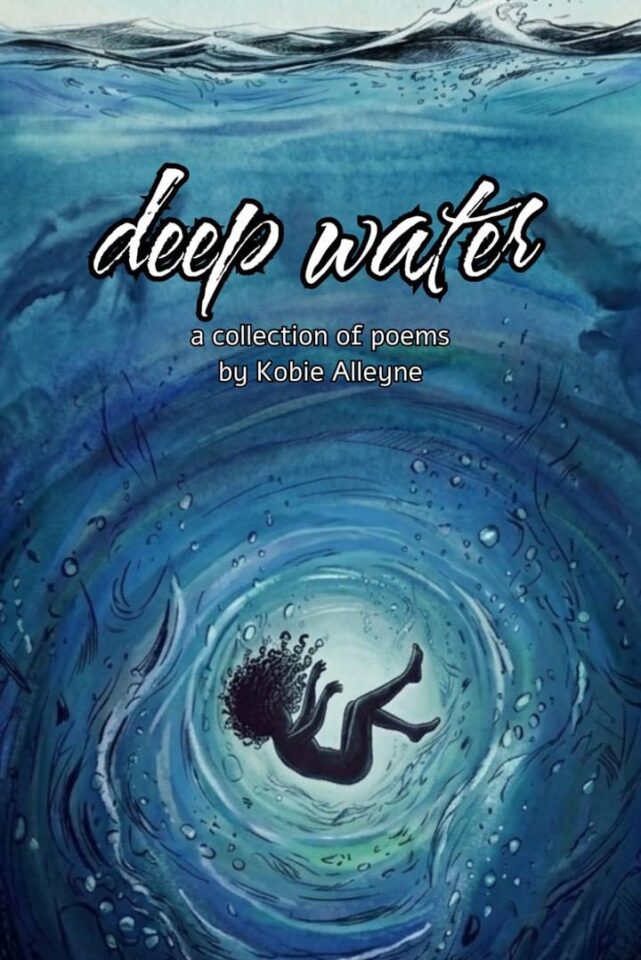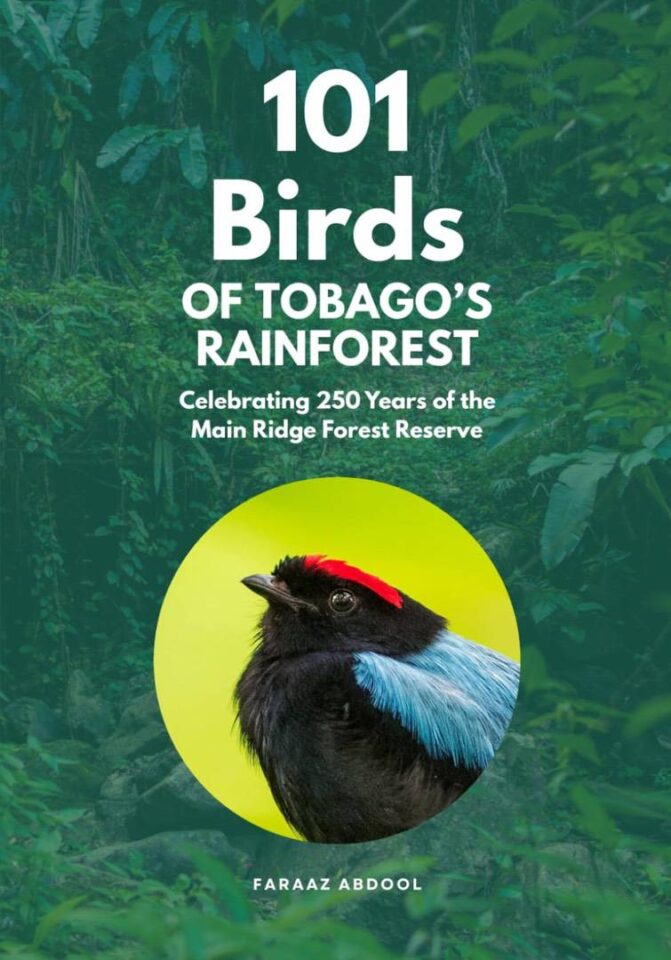
Last weekend, at the Scarborough Public Library, the Bocas Lit Fest concluded the four-stop series of community festivals that started in July. It created opportunities for people in and around Couva, Arima, Siparia and parts of Tobago to celebrate local creativity and engage with the literary arts close to home.
The series was made possible by Methanex Trinidad. A decade ago it would have been merely one of several Bocas projects supported by the private sector or quasi-government entities such as NGC, First Citizens, NLCB and Republic Bank who saw the huge benefits of our subtle but effective work, and allowed us to offer most of our programming free of charge.
In 2026, TT is in the grip of global economic uncertainty. Little of the old financial backing exists as we look forward to 2027 and our landmark annual festival – the heart of Bocas – except for a small annual government grant and the continued partnership of OCM, parent company of the Express newspapers, sponsor of the most coveted prize for Caribbean literature. The cradle-to-grave developmental ecosystem we created is now at risk without active public support.
No cultural organisation can be completely self-financing. Fortunately, our long established self-help projects and international partnerships help to fund Bocas festival operations, but we need support from the public, tens of thousands of whom attend our free, year-long, nationwide events.
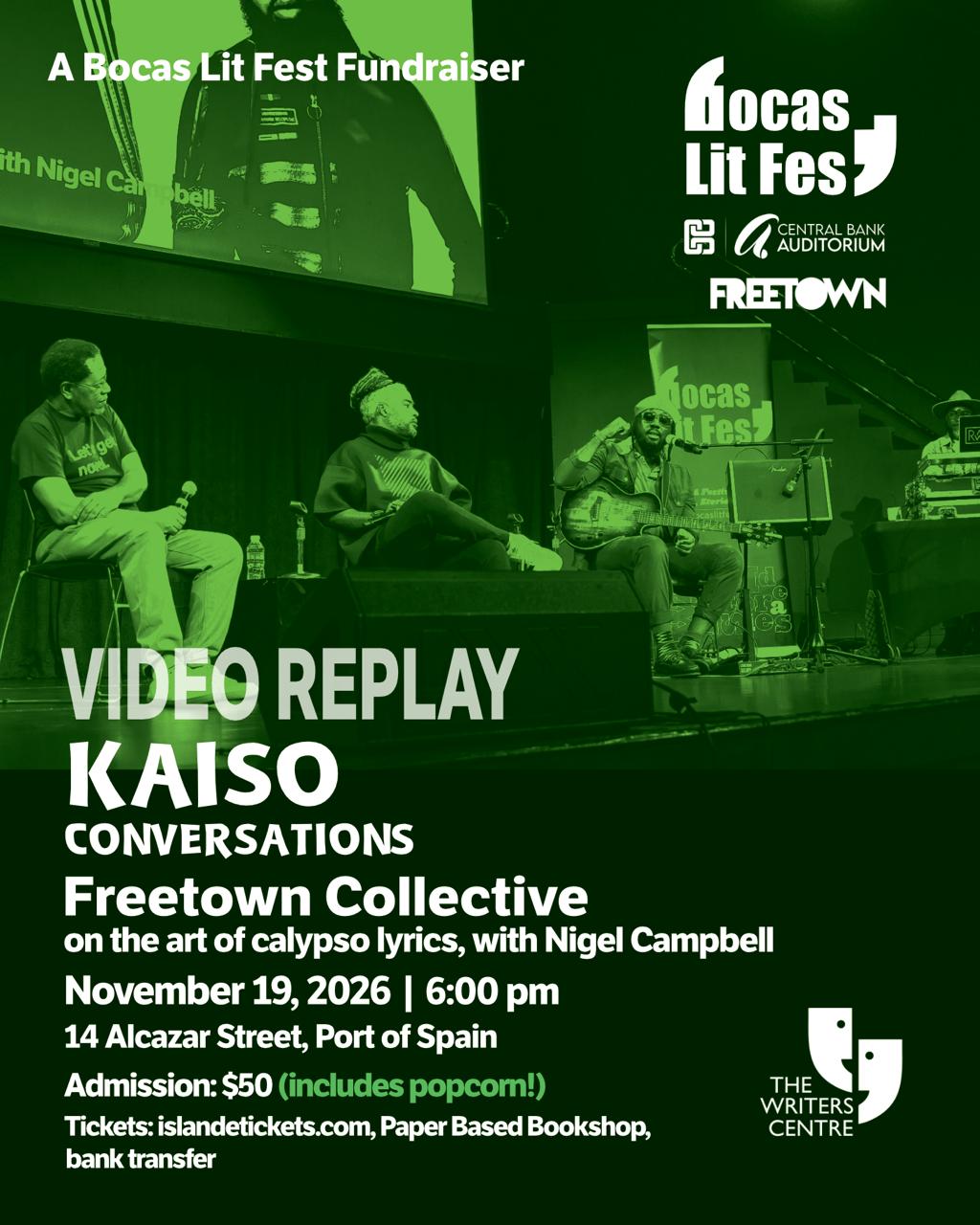
This month Bocas hosts two fundraising events: our third Kaiso Conversations event on 20 October, featuring Freetown Collective and presented in partnership with the Central Bank Auditorium; and the second sale of titles from my personal library on 31 October. And, in 2027, for the first time, Bocas will charge a fee for key programme events at the annual festival in April, though many parts of the festival will remain free for all to enjoy. Future fundraising events are also being planned.
Anyone who wonders why the Bocas Lit Fest’s work deserves support need only read The Economist’s article of 8 September, “Are Teenagers Growing Dimmer?” It warned that “Anyone who cares about the young of today—and in turn the societies of tomorrow—ought to be alarmed” by the latest OECD report on recent test results in reading, maths and science which shows that in 53 countries, including the richest, reading ability is in freefall. Soon one-fifth of 15-year olds won’t be able to understand utility bills.
The culprits are technology, especially mobile phones, and the easy access to social media that have diminished young people’s powers of analysis and deep understanding.
The secret to literacy is learning to read for fun from very young. The corollary between reading for entertainment – not just information – and higher general academic performance is now well established. And, as The Economist reported, “good grades are highly predictive of fatter earnings, better health and longer lives, among a world of other benefits. At the national level, improvements in a country’s braininess appear to track closely with later bursts of economic growth.”
When Bocas Lit Fest started 16 years ago, there was no such powerful research to quote as we endeavoured to reawaken our ability to develop ourselves through reading and writing. We were driven by the profound knowledge that, per capita, this region possesses more impressive storytellers than any other place on earth, and we were wasting the advantage.
So, we created an opportunity for Caribbean readers and writers to come together at an annual literary festival. We helped train our emerging, hugely talented writers, promote them, celebrate them, and turn them into international stars. With OCM, we created an annual literary prize for Caribbean writers, to celebrate our untold stories and broaden the English literary canon. We partnered with organisations like Let’s Read to create projects that make stories fun and demystify books for children. We developed performance poetry for secondary school students, which aided study and became a source of income for school leavers. We announced that we, too, can be actors in the lucrative world of books that is worth billions a year.
Back then, corporate TT and then the UNC and PNM governments saw the light. Even today, the perpetually cash-strapped Ministry of Education continues to give us access to schools to invite writers and to run projects it cannot deliver, expanding and adding value to the education system, gratis.
It is ironic that as the need for greater investment in the critical areas of our education and economic future becomes irrefutable that it is we, the public, who must become the guardians of that future. Sixteen years ago the spectre of AI posing a challenge to human creativity was inconceivable. Today, it is in our literary output that the threat has been unmasked, and at literary festivals and in the business of books that it is hotly debated. Whoever thought books, with their words, stories and ideas are an irrelevance has had their comeuppance. The writing is on the wall but we are lucky to have a vehicle for writing back. We count on your support for the Bocas Lit Fest.
Marina Salandy-Brown is the founder and president of the Bocas Lit Fest.
www.bocaslitfest.com
———————————————————————————————————
Tuesday 20 October, 6.30pm – Kaiso Conversations: The art of writing calypso lyrics with Freetown Collective, Central Bank Auditorium. $200, E-tickets and Paper Based bookshop.
Saturday 31 October, 10am-2pm – The Writers Centre, 14 Alcazar St, St. Clair.
————————————————————————————————————